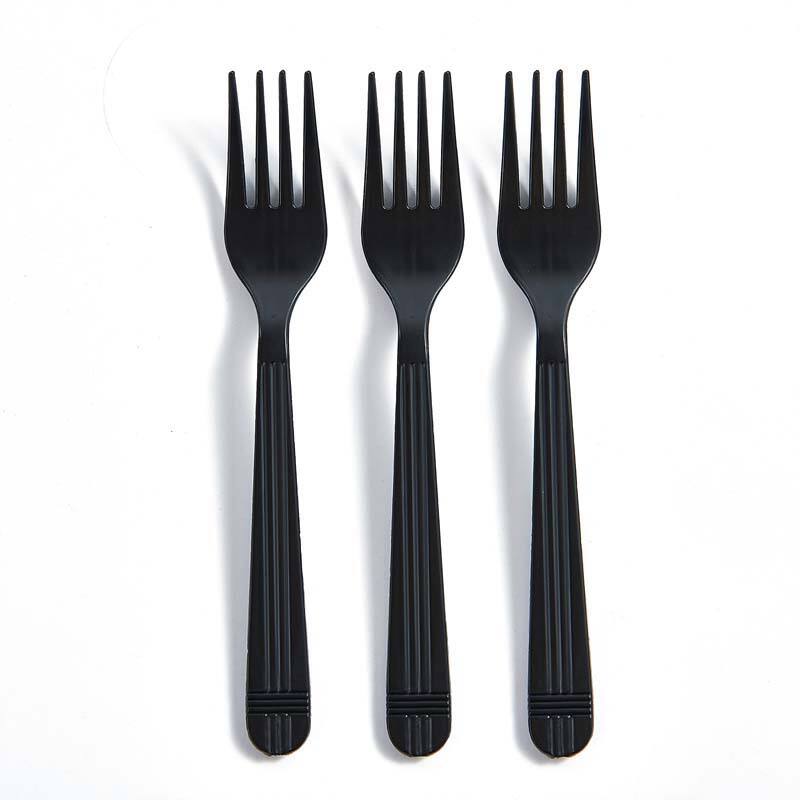
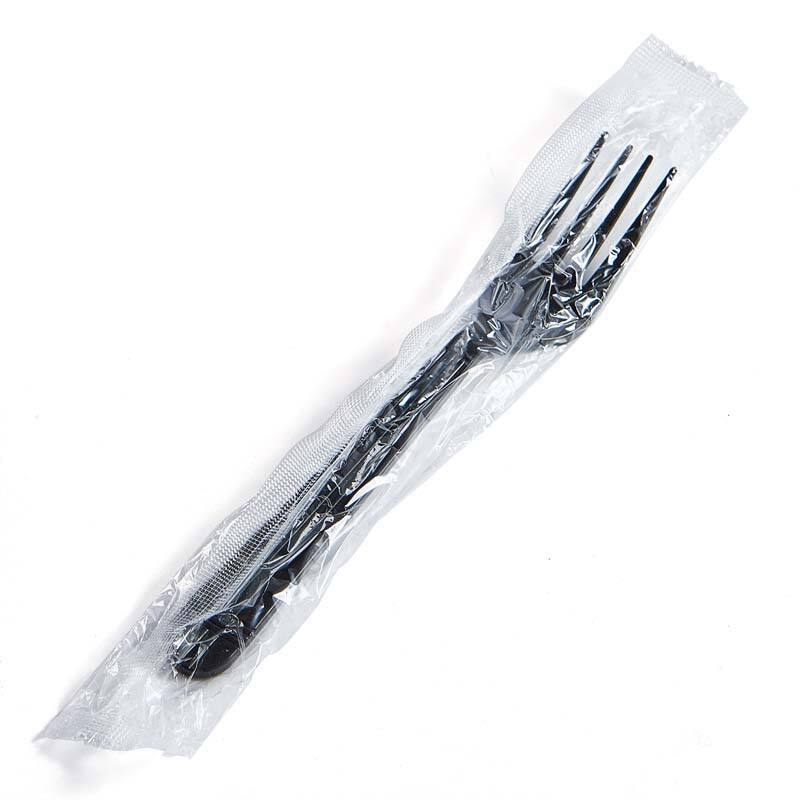
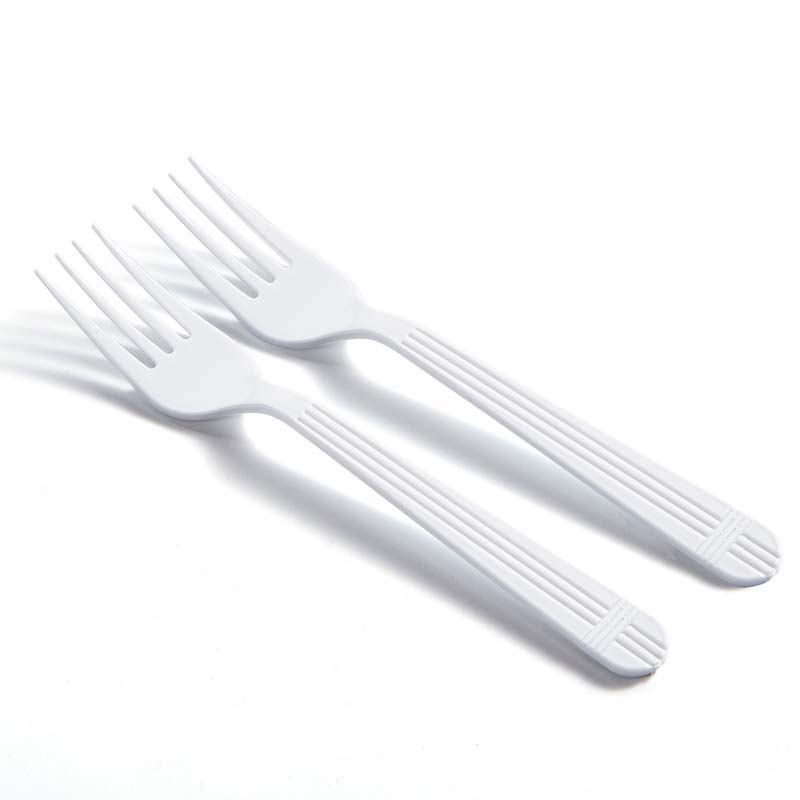
These days, you see everywhere. They are present in numerous settings including parties, picnics, and sometimes even fast-food restaurants. They are plastic utensils that are disposable and simple to use. But employing these one-time cutleries works the other way around and can adversely affect the Planet Earth in many manners. When disposed of, they can contribute to a lot of damage to the planet.
And I think reusable flatware is a way better option than one-use forks and spoons. These common items are made of strong materials such as metal or sturdy plastic that can withstand their use for many, many years. It’s reusable, which is better for the planet.” We contribute to less plastic waste created when we choose reusable flatware. A company named Fuling produces high quality, strong and durable reusable flatware. Their products allow us to make better decisions for the planet.
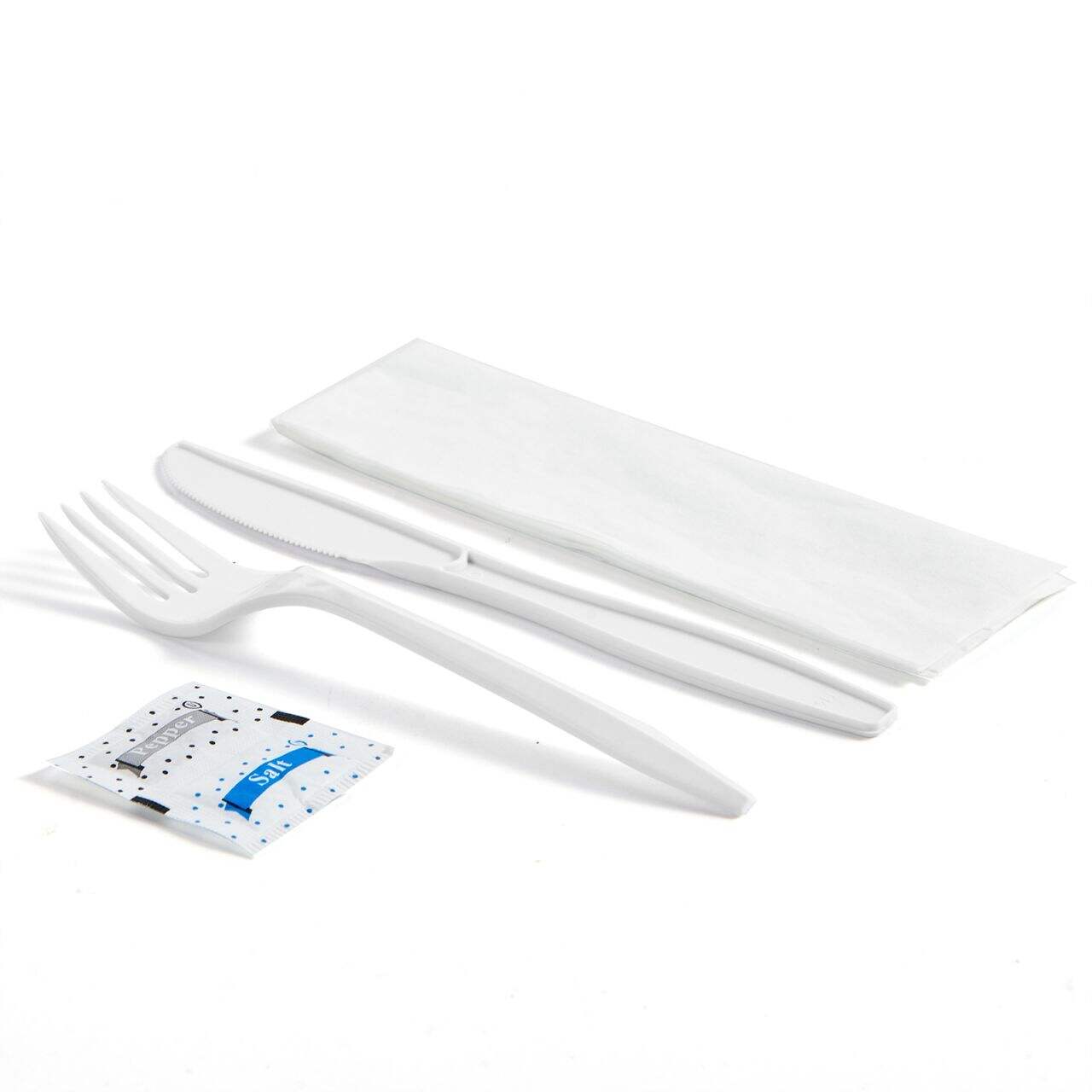
The disposable fork-and-spoon story is an old one: It originally dates back to the early 1900s. The first disposable utensils were paper ones, back then. But these paper eating tools were weak and would break or fall apart while people were using them. In the 1960s, plastic forks and spoons became increasingly common. They were inexpensive and simple to produce, leading to widespread adoption. Plastic disposable type is now a staple within homes and restaurants since then. They are everywhere!
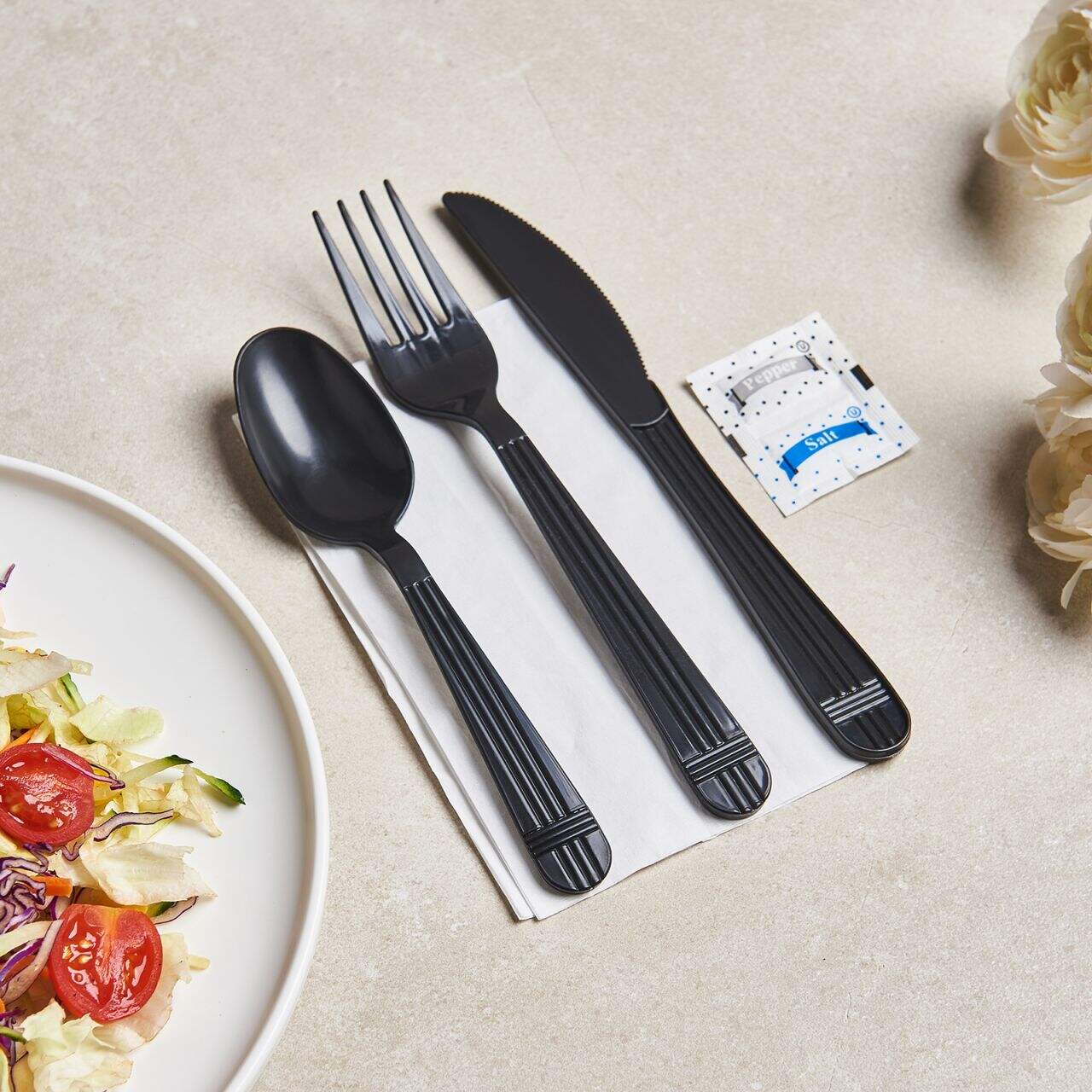
Single-use cutlery is of great convenience when it comes to our day to day lives. They require minimal effort, and they are key for outdoor events such as picnics, parties, and camping trips. You have no fear of washing them after you have eaten. But then, we should not forget to use them with caution. It’s important to get rid of them the correct way and recycle them when we can. And it reduces the waste going into our landfills and oceans.
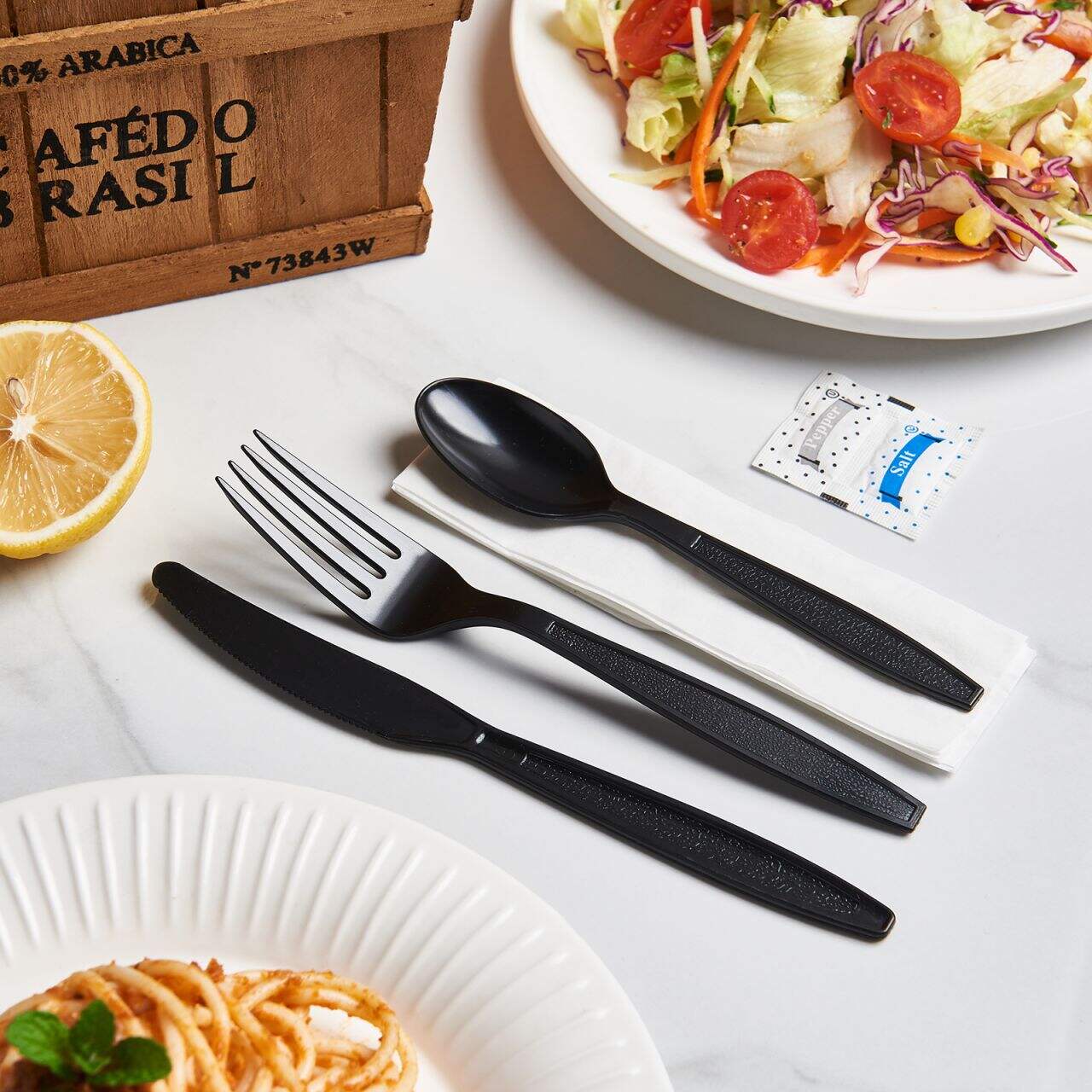
Disposable cutlery is made of plastic, which comes from oil. Plastic production may poison the air and the environment. Plastic is not exactly the best thing for nature because it stays in nature for very long time. Plastic takes hundreds of years to break down fully. Plastic utensils typically end up in our landfills, and sometimes even in our oceans when we toss them away. This can hurt animals and pollute the water where they live.

Specialized in Manufacturing Various Disposable Tableware Manufacturer Since 1991
No.88, South Jintang Road, Eastern New District, Wenling City, Zhejiang Province, China
Copyright © Fuling Technology Co., Ltd. All Rights Reserved | Privacy Policy | Blog

 EN
EN
 AR
AR BG
BG HR
HR CS
CS DA
DA NL
NL FI
FI FR
FR DE
DE EL
EL HI
HI IT
IT JA
JA KO
KO NO
NO PL
PL PT
PT RO
RO RU
RU ES
ES SV
SV IW
IW ID
ID SR
SR SK
SK SL
SL UK
UK VI
VI SQ
SQ HU
HU TH
TH TR
TR MS
MS SW
SW GA
GA EU
EU UR
UR BN
BN PA
PA