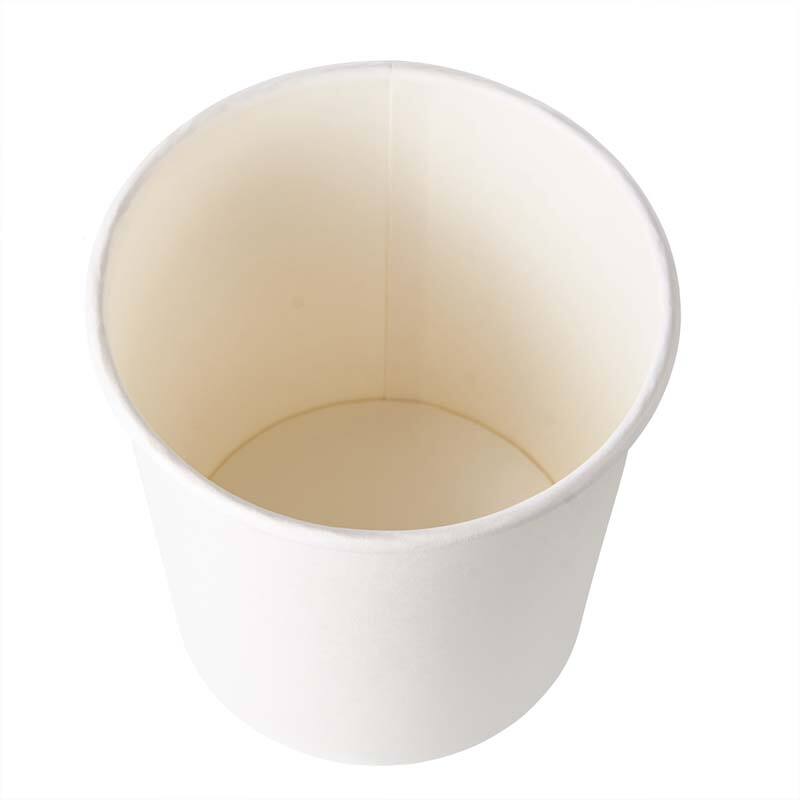
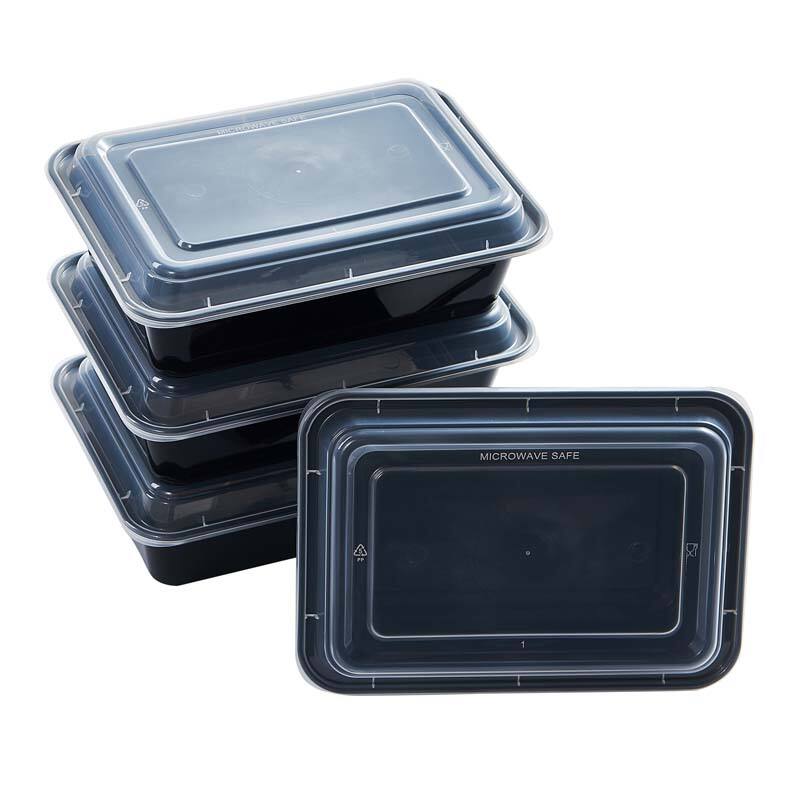
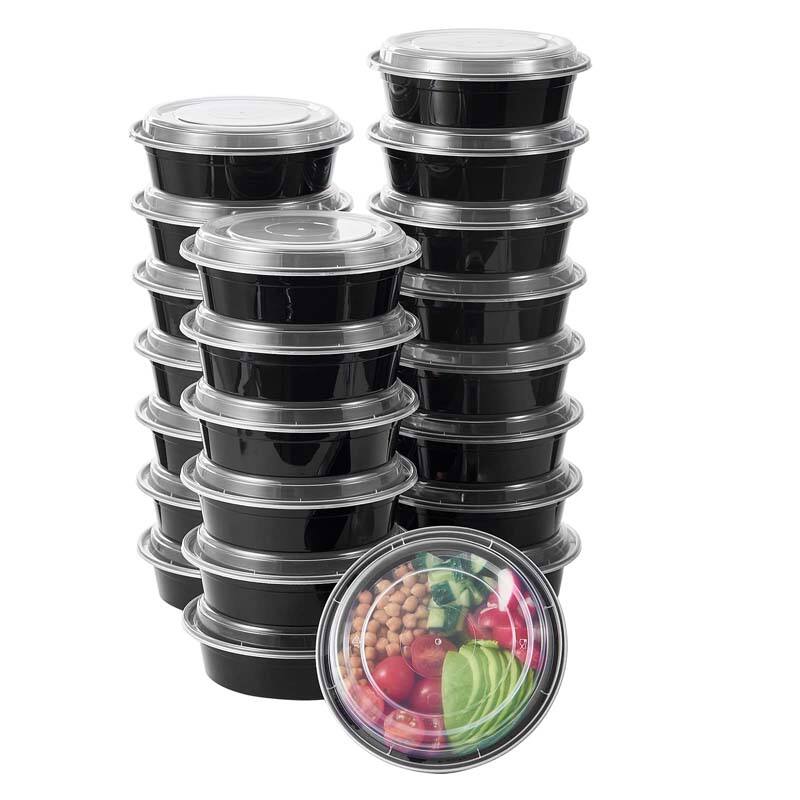
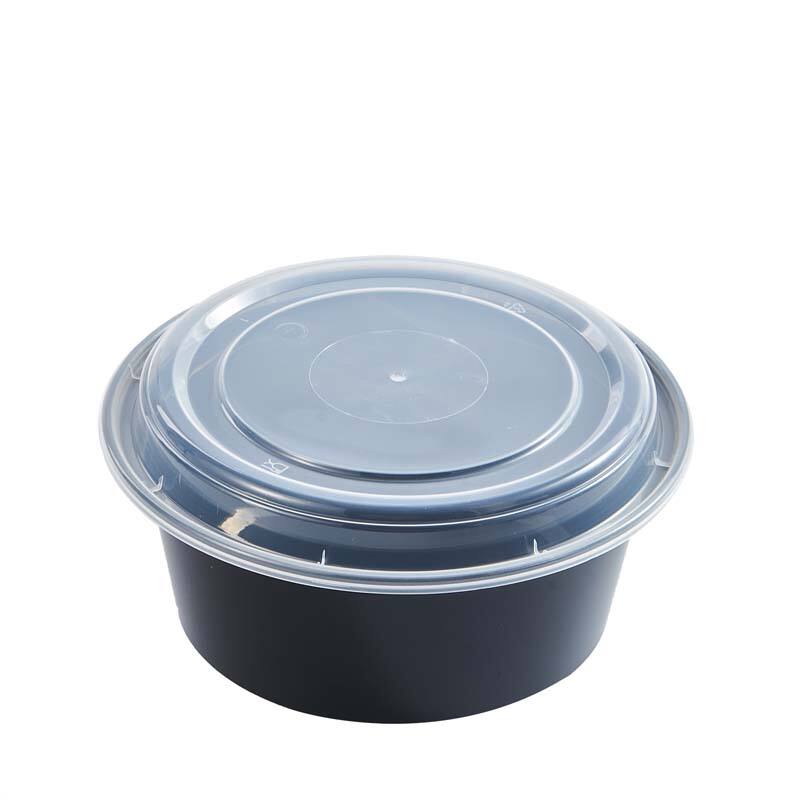
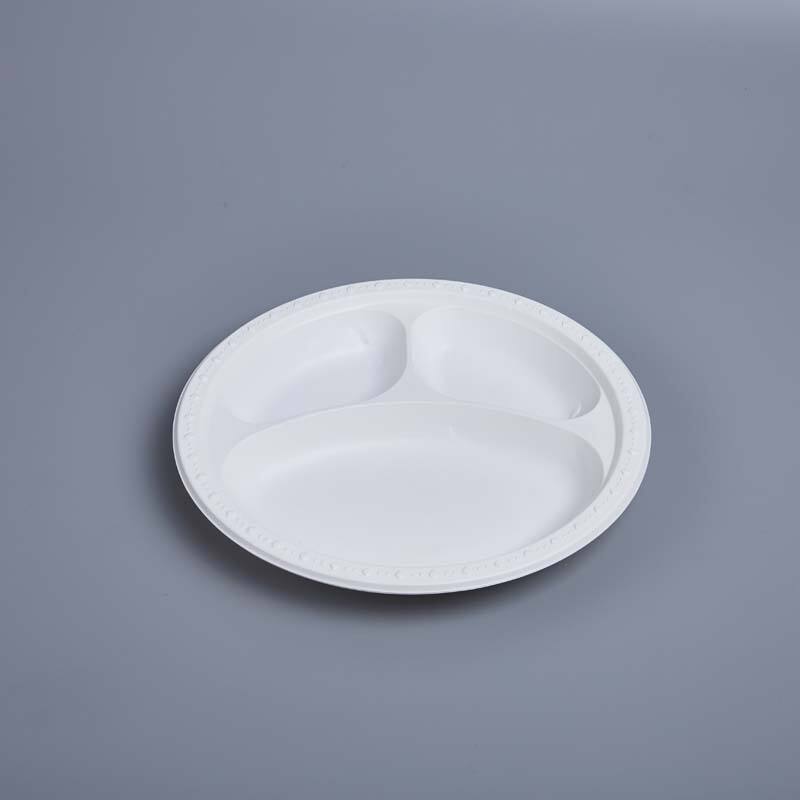
Have you ever used a school or work lunch tray to carry your plastic lunch? They are little trays called . This means that after you eat your lunch, they are all thrown in a bin. Disposable lunchtime trays are so easy to use as you can take lots of food in one trip. You can put your sandwich, fruit and drink all on one tray. But despite this convenience, they can also harm the environment, as they produce a lot of waste. This article will explore the pros and cons of disposable lunch trays and offer some more Earth-friendly alternatives.
Disposable lunch trays are common in many schools and workplaces because they are light and easy to transport. They come in lots of different shapes and sizes, which can help you fit your food and drink all onto a convenient tray. Some have compartments that separate foods, like one side for fish and another for fruit. Many even have dedicated features for cups or forks and spoons. It helps them have their meals without creating a mess. Disposable lunch trays are also a lot less expensive than trays that can be reused, so they’re a more cost-effective option for schools and businesses flowing a lot of food. Many places can afford to buy them in bulk for being cheaper.

But as we previously discussed, disposable lunch trays can generate significant waste that can enter landfills or flow into the oceans. And that is bad for our Earth because it creates more garbage and pollution. But there are better, kinder-to-the-environment options. One of those options is biodegradable trays. These trays are constructed from different biodegradable materials. They may include cornstarch, sugarcane or bamboo. Makes them great replacements for the Earth — these plants regrow. Fuling is just one of the companies now providing the biodegradable trapping to make even the most casual diner a bit more environmentally friendly. These trays allow individuals and businesses to generate less waste and help to save the environment.

Disposable lunch trays are commonly used by food service providers, such as school cafeterias or restaurants, because they are more convenient and less expensive. Disposable trays require less time and effort to be washed. It means workers are spending less time washing dishes, and more time serving customers, he said. It can even help save cash, since fewer folks are needed to clean up after meals. The disposable trays can be used in bulk, so they are recommended even for busy serving consumers catering thousands of people every day. But disposable trays have their downsides too. One such is that they create lot of waste and litter and contribute towards environmental pollution. This leads many to wonder whether plastic sanitary trays for food, especially for those that place food in the tray for a long time, is safe. When considering the practicality and the potential problems of these types of trays.

Disposable lunch trays have changed a lot since the days long, long ago when they were invented. Today, they provide far more benefits and are more environmentally friendly than ever. For instance, disposable trays, which now also feature=calculate a separate compartment for various foods, so that you can enjoy a full meal all in one tray. By doing this, your food stays organized, and it is easier to eat. Others are composed of renewable materials, such as bamboo or sugarcane, that more readily break down in the environment. In other words, when you discard them they won’t languish in a landfill for an eternity. And some companies now sell reusable options, such as silicone trays, which can be washed and reused countless times. Choosing re-useable trays allows people to contribute to the reduction of the waste created.

Specialized in Manufacturing Various Disposable Tableware Manufacturer Since 1991
No.88, South Jintang Road, Eastern New District, Wenling City, Zhejiang Province, China
Copyright © Fuling Technology Co., Ltd. All Rights Reserved | Privacy Policy | Blog

 EN
EN
 AR
AR BG
BG HR
HR CS
CS DA
DA NL
NL FI
FI FR
FR DE
DE EL
EL HI
HI IT
IT JA
JA KO
KO NO
NO PL
PL PT
PT RO
RO RU
RU ES
ES SV
SV IW
IW ID
ID SR
SR SK
SK SL
SL UK
UK VI
VI SQ
SQ HU
HU TH
TH TR
TR MS
MS SW
SW GA
GA EU
EU UR
UR BN
BN PA
PA